The Fear of Emptiness: Overcoming Visual Anxiety
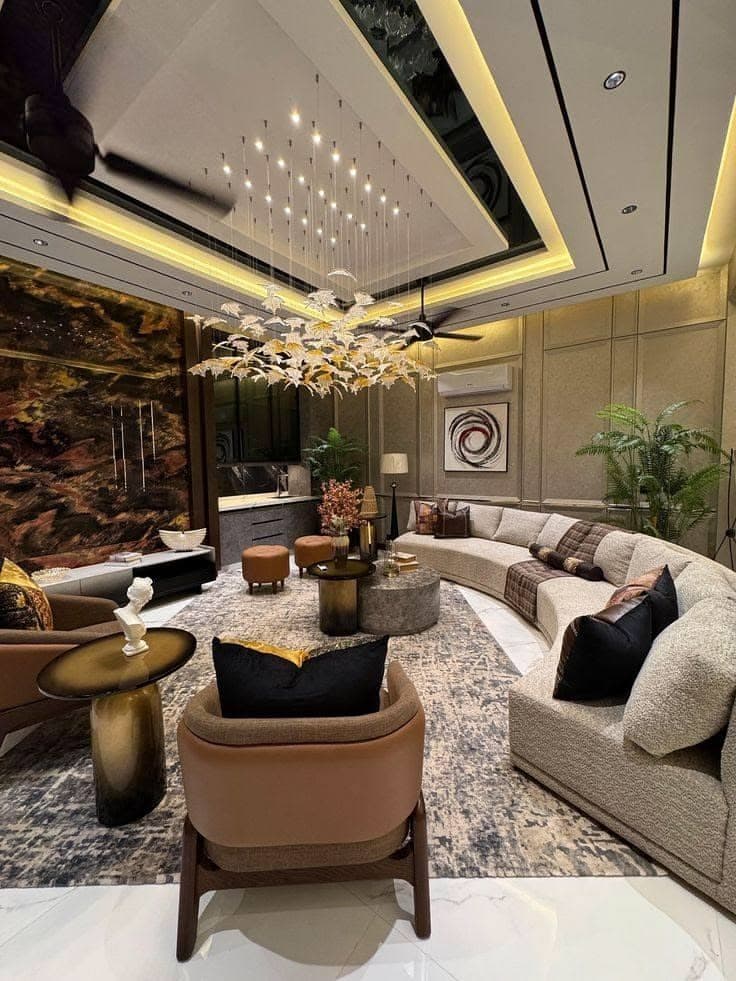
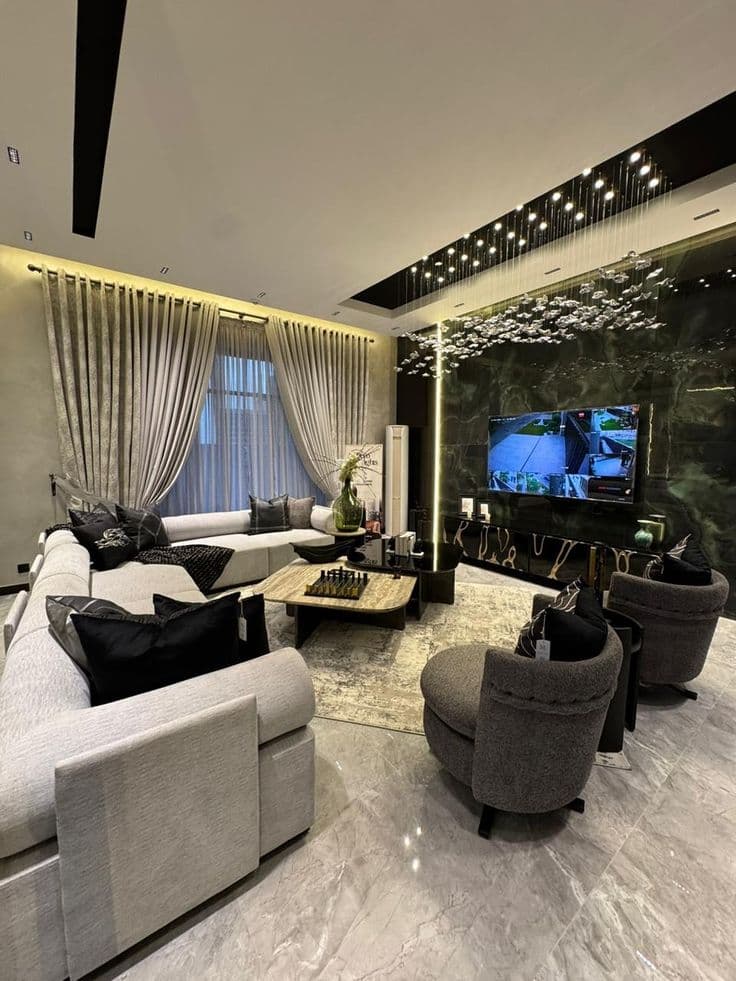
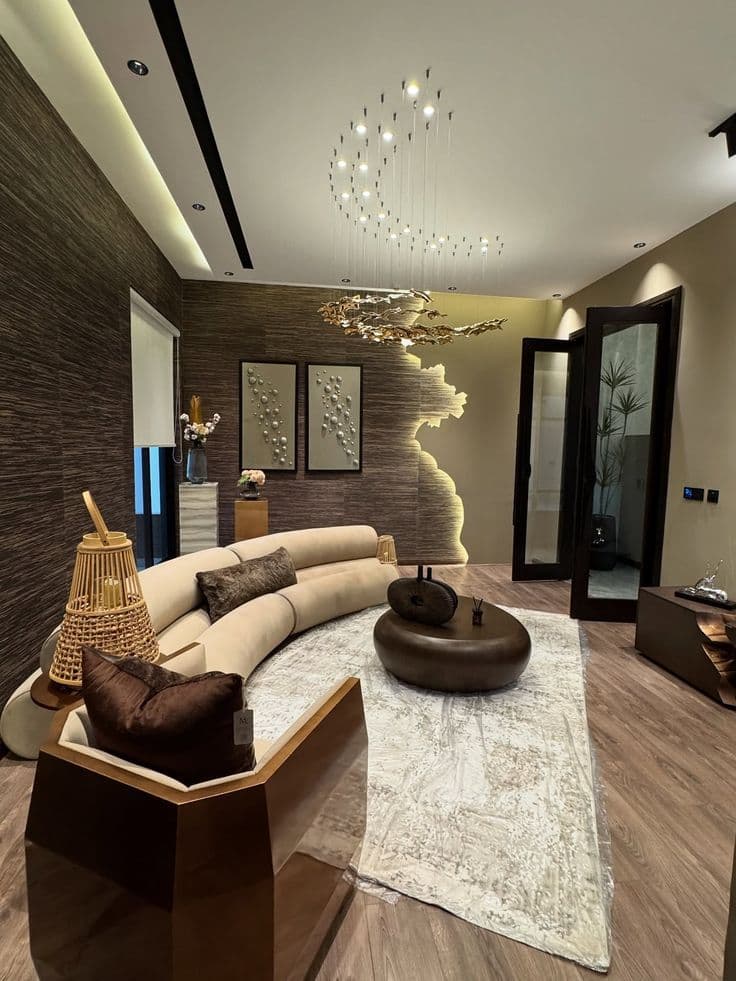
In luxury interior design, the instinct to fill every alcove with a console, every wall with gallery frames, and every floor with heavy rugs is ubiquitous. It stems from a subtle anxiety that unoccupied space equates to an unfinished home.
Yet true architectural sophistication operates in reverse. In classical Japanese aesthetics (Ma) and monastic European minimalism, emptiness is not absence—it is a tangible, potent medium. It is what allows the eye to rest and the mind to decompress.
Architecture as Music: The Pause Between Notes
Debussy famously observed that music is the silence between the notes. Architecture functions precisely the same way. When a 6-meter expanse of smooth lime-washed plaster is left unbroken by small decorative objects, the monolithic block of travertine fireplace sitting at its terminus achieves monumental significance.
If the wall were cluttered with shelving, picture frames, and wall sconces, the stone would lose its sculptural presence. Restraint is the vehicle that grants materials their voice.
“Luxury is not the accumulation of beautiful things. It is the privilege of living among noble materials that have enough space to breathe.”
— Meera Sen-Gupta, Head of Interior Architecture
Unbroken Sightlines: Framing the Horizon
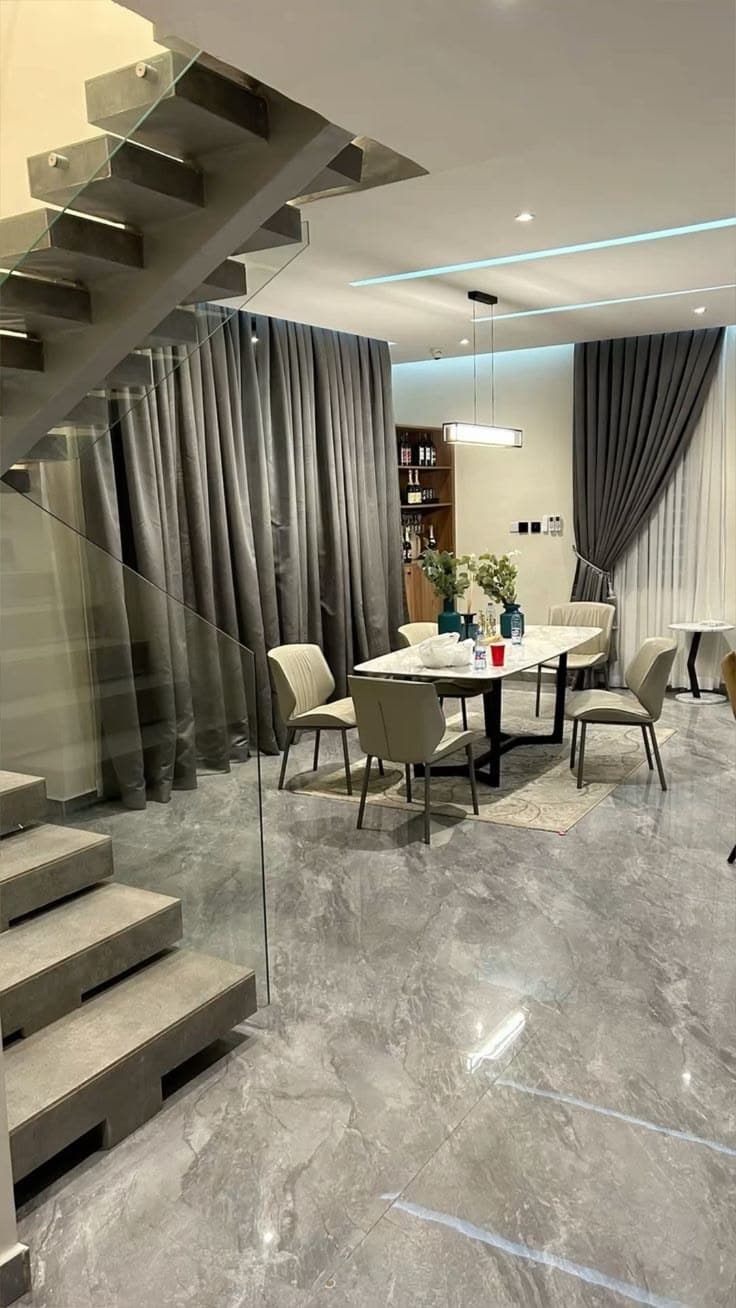
When designing the spatial layout of high-floor penthouses or sprawling private villas, our first architectural intervention is often subtraction. We remove non-structural partition walls, raise door lintels to the ceiling line (creating 2.8m to 3.2m flush pivot portals), and eliminate visual stumbling blocks.
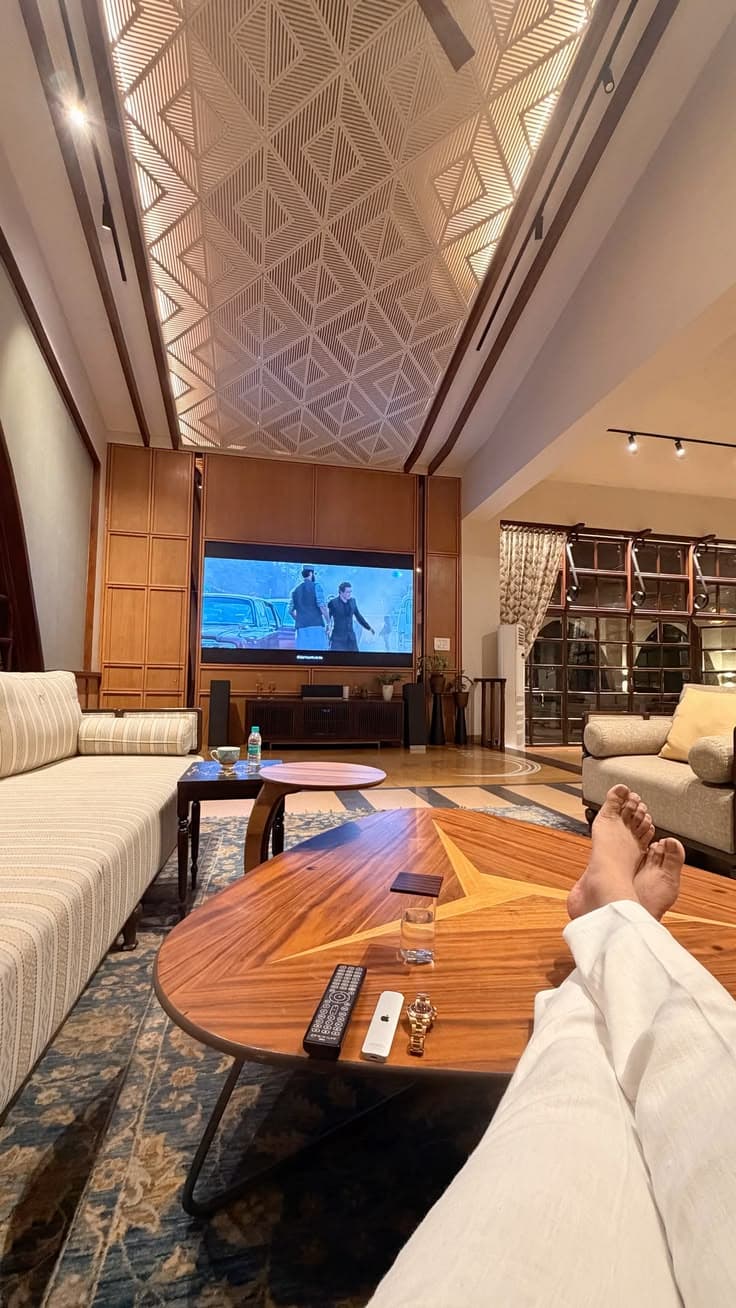
Standing at the entrance of a DA Interiors residence, you immediately perceive the horizon line, the play of daylight on natural stone flooring, and the uninterrupted rhythm of timber millwork.
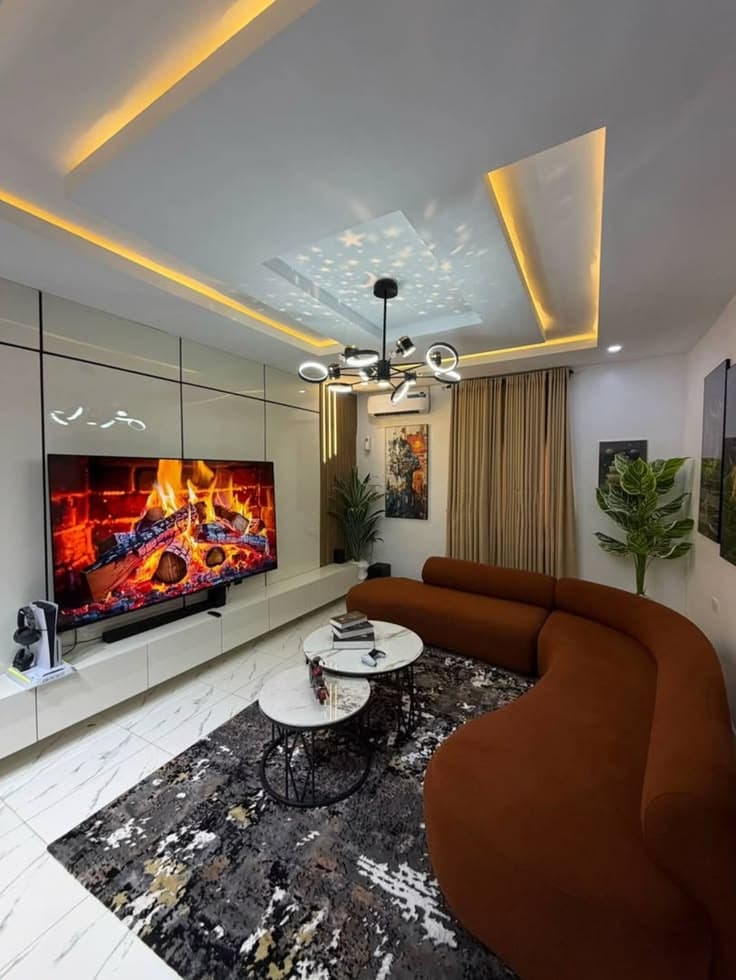
- Treat empty space as an intentional architectural material, not a void awaiting decorative fill.
- Raise door headers to full ceiling height to preserve continuous volumetric flow across adjoining salons.
- Select singular sculptural furniture pieces rather than crowded seating suites.
Fewer, Greater Moments: The Curated Philosophy
Rather than fifteen small decorative moments scattered across a living salon, we design three heroic, unforgettable moments: a monolithic stone hearth, a singular hand-carved Pierre Jeanneret dining table, and an expansive floor-to-ceiling glass vista.
The result is a home that feels peaceful the instant you step across the threshold—a refuge from the relentless velocity of the outside world.
The Art of Knowing When to Stop
The greatest discipline in design is not knowing what to add, but knowing what to leave untouched.
Meera Sen-Gupta
Head of Interior Architecture & Heritage Curation
Specializing in historic conservation and tactile material palettes, Meera oversees residential restorations across Kolkata, South Delhi, and European private estates.